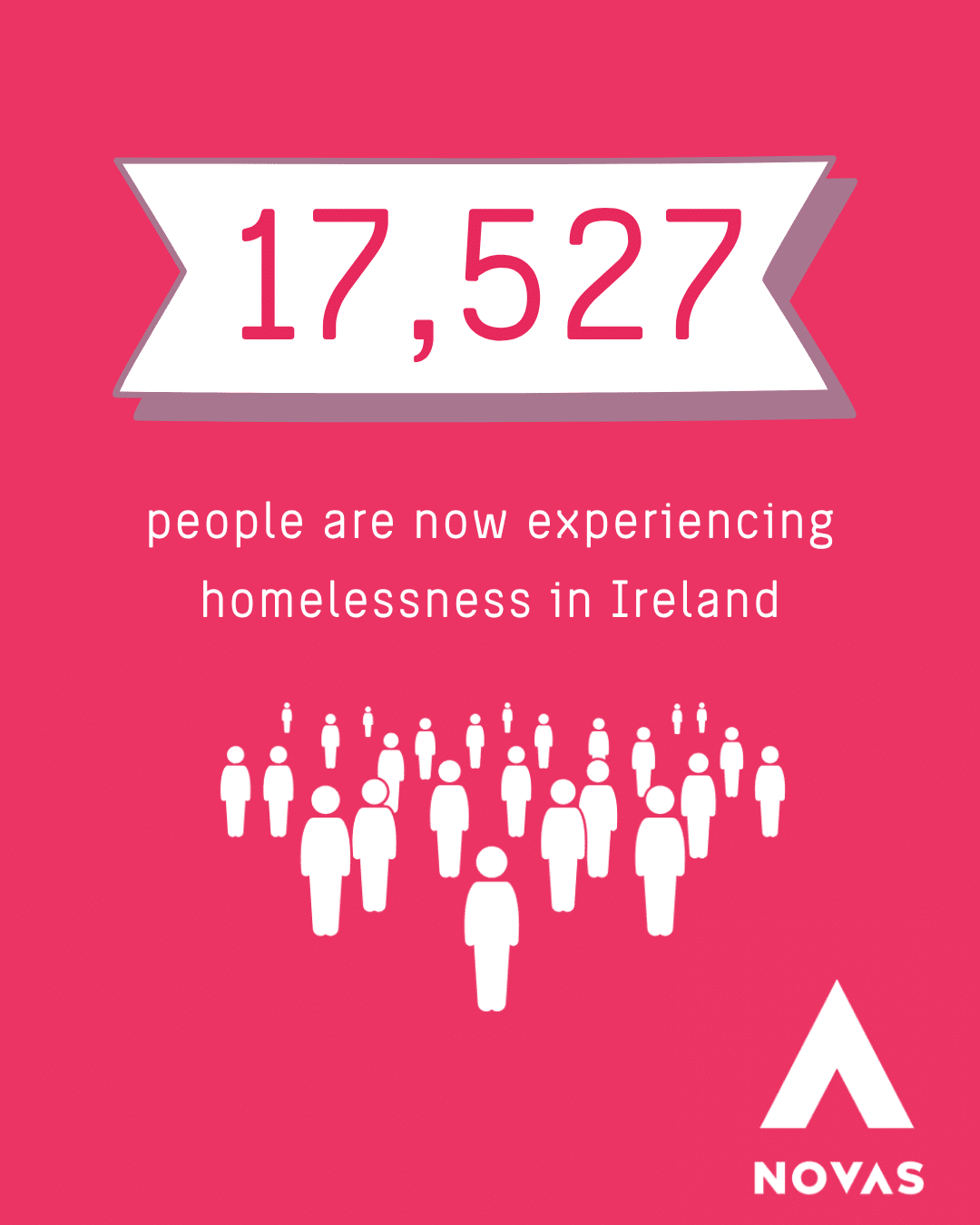
17,527 people experiencing homelessness in Ireland: July 2026

The Department of Housing’s latest figures for July 2026 show that 17,527 people are experiencing homelessness, an increase of 45 people compared with June 2026. While the monthly increase is relatively small and the rate of growth has slowed in recent months, homelessness has still increased by 1,469 people since July 2025, underlining the continuing scale of Ireland’s housing crisis. 

Of the 11,868 adults experiencing homelessness nationally, 58.7% were men and 41.3% were women. A total of 7,244 adults (61.0%) were single adults. 

These figures reinforce NOVAS’s longstanding concern that single adults seeking one-bedroom accommodation remain among those most affected by the housing crisis. They continue to face significant barriers in accessing suitable, affordable and secure housing, highlighting the urgent need for increased availability of appropriate one-bedroom homes and stronger pathways out of emergency accommodation. 

The number of children experiencing homelessness has risen to 5,659, an increase of 39 children on the previous month and 645 more than in July 2025. Family homelessness has increased by 16.3% over the past year, according to the family figures available to NOVAS, and continues to rise as a result of the chronic shortage of suitable long-term housing, particularly for larger families. Many families are spending prolonged periods in emergency accommodation because affordable, appropriate and secure housing is simply unavailable. 

Tenant in Situ: a significant decline in homelessness prevention 

The Department’s own figures demonstrate a significant reduction in the preventative use of the Local Authority Tenant in Situ scheme. The number of adults prevented from entering emergency accommodation fell from 170 in Q1 2025 to just 55 in Q1 2026, a reduction of 67.6%. 

This is highly relevant to NOVAS’s Budget submission, which calls for the restoration of Tenant in Situ to its original preventative function and for funding to be restored to at least 2024 levels. The dramatic decline in the number of people prevented from entering emergency accommodation suggests that the scheme is no longer operating at the scale required to prevent homelessness effectively. 

Tenant in Situ activity has also changed: 

  • Local authority lettings: 309 → 245 (down 20.7%) 
  • AHB lettings/LTSA: 304 → 333 (up 9.5%) 
  • Private rented/HAP/RAS: 183 → 142 (down 22.4%) 


These figures reinforce NOVAS’s wider argument that increasing housing supply alone is not sufficient. What is required is the right housing, in the right places, alongside effective preventative interventions and genuine pathways out of long-term homelessness. 

The substantial fall in homelessness prevention through Tenant in Situ should therefore be considered alongside the continuing growth in family homelessness. Restoring the scheme’s preventative capacity would help ensure that people at immediate risk of losing their homes receive support before they enter emergency accommodation, reducing pressure on an already overstretched homelessness system. 

Budget 2027 must prioritise prevention and pathways out of homelessness 

With Budget 2027 due to be published in October, NOVAS is calling on Government to use the Budget to address both the flow of households into homelessness and the lack of pathways out of homelessness into secure, adequate and appropriate housing. 

Preventing homelessness must remain a central objective of housing policy. Strengthening security of tenure and ensuring that households facing eviction can access timely interventions and alternative accommodation are essential to reducing the number of people entering homelessness. 

Legislative reform must therefore be matched by increased investment in homelessness prevention, social and affordable housing and support services. Prevention cannot be effective without the housing supply and resources necessary to provide people with viable alternatives to homelessness. 

NOVAS reiterates the urgent need for sustained and coordinated action to increase the supply of social and affordable housing, strengthen homelessness prevention measures and tenant protections, and expand access to appropriate long-term housing and support services. 

NOVAS remains committed to working alongside statutory partners, local authorities and communities to address rising homelessness and deliver housing and support solutions that promote dignity, stability and independence for everyone experiencing homelessness. 

July 2026 Monthly Homeless Figures 

Total Homeless Population: 17,527 

Total number of adults: 11,868 

Single adults: 7,244 (61.0%) 

Families: 2,724 

Single parents families:  

Children (under 18): 5,659 

Adult gender breakdown: 

Male: 6,969 (58.7%) 

Female: 4,899 (41.3%)

Interior Designer and DFS transform room at NOVAS Recovery House

An amazing transformation has been unveiled at the NOVAS Recovery House in Limerick to create a warm and welcoming environment for women transitioning from residential addiction treatment.

Una Burns, Head of Head of Advocacy & Communications at NOVAS with Designer James McNamara
Una Burns, Head of Advocacy & Communications at NOVAS with Designer James McNamara

This is a space dedicated to providing women with a safe and supportive environment to continue rebuilding their lives. The transformation has been made possible through the generous support of furniture retailer DFS, alongside the creative vision of Achill-based Interior Designer, James McNamara. His expertise has ensured that the space promotes a warm and welcoming atmosphere, essential for the healing process.

Una Burns, Head of Advocacy & Communications at NOVAS, emphasised the importance of this initiative, stating, “Recovery House represents a significant step forward in supporting women in their recovery journeys. By providing a dedicated House for women to connect, heal, and grow, we are addressing not only their addiction but also the underlying challenges many have faced. This is a beautiful room, with sumptuous furnishings, stunning artwork and an absolutely wonderful vibe – almost like a warm hug. We are deeply grateful to DFS, James McNamara, and all the other supporters for making this vision a reality.”

James McNamara shared his excitement for the project, stating, “It has been an absolute honour to be involved in such a meaningful project. Working alongside so many generous people and businesses to create this space has been a privilege. Projects like this remind you why thoughtful design matters. It’s not just about creating a room that looks beautiful. It’s about creating a space that feels warm, welcoming and supportive for the people who use it every day. I hope every woman who walks through the door feels a genuine sense of comfort and belonging, and that this space becomes a positive part of their journey as they begin a new chapter.”

Joules Gilmorton, available exclusively at DFS at Novas Recovery House with stunning art by Caroline Duffy and rug by Kukoon
Sofa Joules Gilmorton, available exclusively at DFS with stunning art by Caroline Duffy and rug by Kukoon

DFS also expressed their commitment to community support, through this initiative. “We know how important it is to create comfortable and inviting environments and are proud to have supported several projects like this throughout Ireland,” said Amy Ryan, DFS Limerick General Manager.

“We’re delighted to have aided the delivery of this makeover for The Recovery House, to create a space where the women spending time there can feel safe and empowered.”

The Gilmorton sofa, from the Joules collection exclusively at DFS, and DFS Kian chairs, formed the founding pillars of this design, but the project would not have been complete without the stunning artworks donated by Limerick artist Carol Ahern and Caroline Duffy, paint donated by Farrelly and Co, a beautiful hessian rug donated by Kukoon Rugs, curtains from JMC Studios and superb support from the team at NOVAS.

At Recovery House, each woman will work closely with a dedicated Case Manager to develop a personalised support plan focusing on her unique goals and needs. The six-month programme takes a holistic approach, addressing not just addiction recovery but also the development of practical life skills, trauma management, and the establishment of healthy routines and relationships. This includes access to housing, healthcare, education, employment, and community services throughout Limerick.

Original artwork donated by Limerick artist Carol Ahern

Many women referred to Recovery House may have experienced homelessness or be at risk of returning to homelessness. The aim is to equip them with the tools they need to maintain their recovery and build an independent future. By the end of the programme, each woman will be prepared to move into secure, long-term accommodation, continuing her journey with renewed hope and purpose.

NOVAS Position on the Housing and Residential Tenancies (Miscellaneous Provisions) Bill

NOVAS has significant concerns about provisions contained in the Housing and Residential Tenancies (Miscellaneous Provisions) Bill that could fundamentally change access to emergency homeless accommodation in Ireland and have serious consequences for some of the most vulnerable people in our society. 

We are concerned that proposals to introduce statutory eligibility criteria for emergency homeless services, alongside expanded powers to withdraw emergency accommodation, risk undermining recent advances through the Homeless Family and Child Action Plan and the Prevention Framework. 

Emergency accommodation is distinct from longer term housing supports. It is an immediate humanitarian intervention designed to protect life, health and dignity during periods of acute crisis. NOVAS believes that access to emergency shelter should remain available to anyone facing an immediate housing emergency while eligibility is being assessed. 

We are particularly concerned that requiring people to satisfy the Habitual Residence Condition before accessing emergency accommodation could create significant barriers for those in crisis, including people fleeing domestic abuse, leaving institutional settings, or experiencing serious mental health difficulties. Many individuals simply will not have the documentation needed to establish residency when they urgently require shelter. 

We are also concerned that the proposed measures could affect entire households where one family member does not satisfy the residency requirements, potentially impacting children and disproportionately affecting groups already at greater risk of homelessness, including survivors of domestic abuse, victims of human trafficking, members of the Traveller and Roma communities, people with insecure immigration status, and those experiencing extreme poverty. 

The proposed “safety net” of discretionary night-by-night accommodation also raises important concerns. We believe emergency accommodation should provide stability and safety rather than creating uncertainty or increasing the risk of rough sleeping. 

NOVAS is calling for stronger statutory safeguards, including: 

  • Emergency accommodation remaining available while eligibility is being determined. 
  • A statutory right of appeal for all decisions relating to emergency accommodation, including refusals of access. 
  • Fair and transparent decision-making, supported by documented risk assessments. 
  • Greater accountability through monitoring and reporting on how these powers are used. 

These proposals represent one of the most significant reforms of homelessness legislation in many years. Given their potential impact, NOVAS believes they require robust safeguards and continued engagement with the homelessness sector to ensure that the legislation achieves its objectives while protecting those most at risk. 

NOVAS remains committed to working constructively with Government and stakeholders to ensure that no one experiencing a housing crisis is left without access to safe emergency accommodation. 


Homeless figures continue to rise as Feburary data is published

Recent homelessness figures for February 2026 highlight a further increase in the number of people experiencing homelessness across the State. The number of adults and children residing in emergency accommodation last month reached 17,308, an increase of 196 compared to the previous month, and almost 2,000 additional individuals over the past twelve months. This represents one of the highest levels of recorded homelessness in the State.

There is growing concern that recent changes to rental regulations may increase the risk of additional households entering homelessness. The number of Notices of Termination issued in the first quarter of 2026 has increased by 41% compared to the same period last year. While these figures relate to a period prior to the introduction of the new legislation, there is evidence of increasing numbers of households presenting to services with a notice to quit, placing further pressure on already stretched emergency accommodation systems.

In our family service in Limerick, 8% of families are currently overholding in their rented accommodation, that is, remaining in their homes beyond the date of termination due to having no alternative housing options, including emergency or hotel accommodation. A further 25% of families we work with are living with a notice to quit and struggling to secure suitable alternative housing.

This situation is deeply concerning and reflects sustained pressure across both the rental market and homeless services.

While the current landscape is extremely challenging, homelessness is not inevitable. With the right policies, it can be significantly reduced and ultimately ended. This will require targeted prevention measures, a substantial increase in the supply of appropriate housing in the right locations, and ring-fenced allocations for households experiencing long-term homelessness.


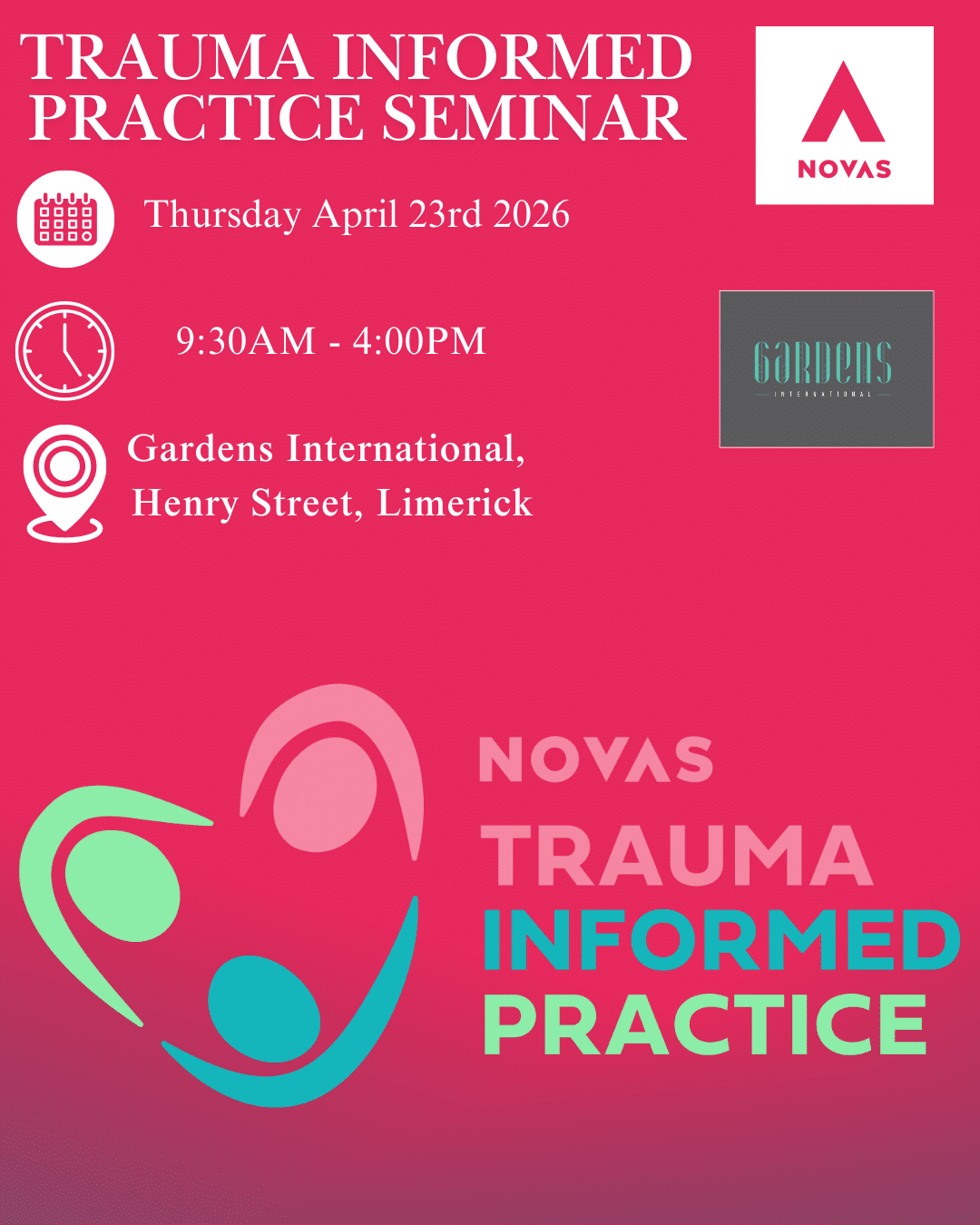
NOVAS Trauma Informed Practice Seminar – Limerick, 23rd of April

NOVAS is delighted to host its second Trauma Informed Practice Seminar on Thursday, 23rd of April in the Gardens International, Limerick: Practice, Empowerment and Recovery from Trauma.

This seminar will explore the value of Trauma Informed Practice in supporting people experiencing multiple disadvantage, with a particular focus on gender, motherhood, service delivery and recovery. It will draw on research highlighting the importance of quality, trauma-informed services and the active role they play in supporting recovery for people affected by complex trauma.

The seminar will examine the lasting impact of generational poverty, ongoing exclusion, and the unintended harm that services can sometimes cause.

We’re delighted to welcome an exceptional panel of speakers:

Destiny Vaughan, Talha AlAli, Dr Orla Muldoon, Dr Daniel O’Callaghan, Ruth Ann Barry, Paula Kearney, alongside powerful contributions from people with lived experience. More speakers to be announced.

The range of speakers will share insights into Trauma Informed Practice across the areas of gender, motherhood, homelessness and the criminal justice system. The seminar will also explore empowerment and the creation of spaces that support healing and recovery, including the introduction of a new Trauma Informed Client Programme.

Join us for a day of learning, reflection and shared knowledge. Tickets can be purchased here.

NOVAS Launches New Street Outreach Mobile Unit to Support Limerick

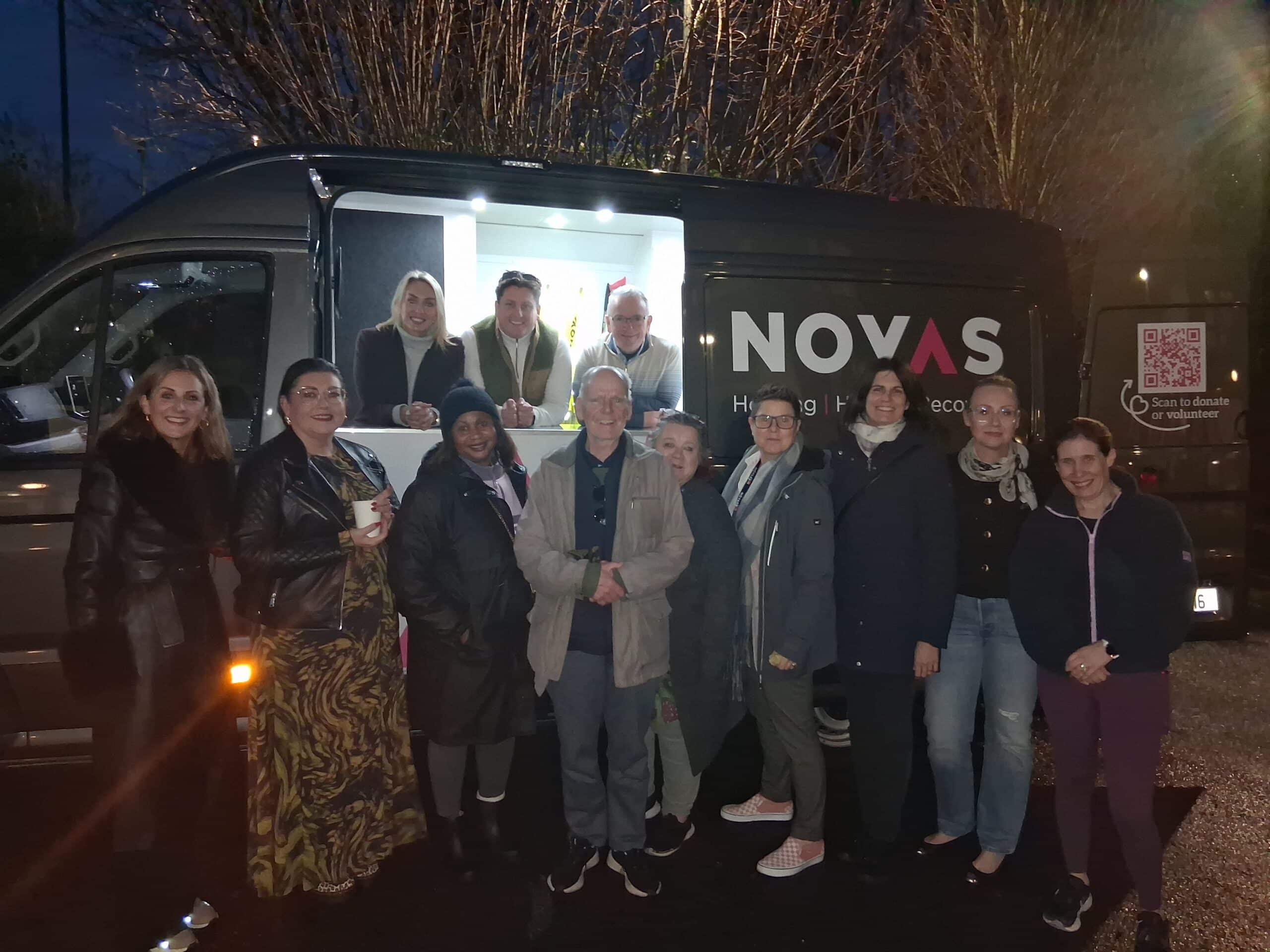
Earlier this month, we were thrilled to launch our new Street Outreach mobile unit, which is now fully in service, thanks to the generous donations of people across Limerick city and county. We were delighted to be joined by clients and volunteers to mark this important milestone. 

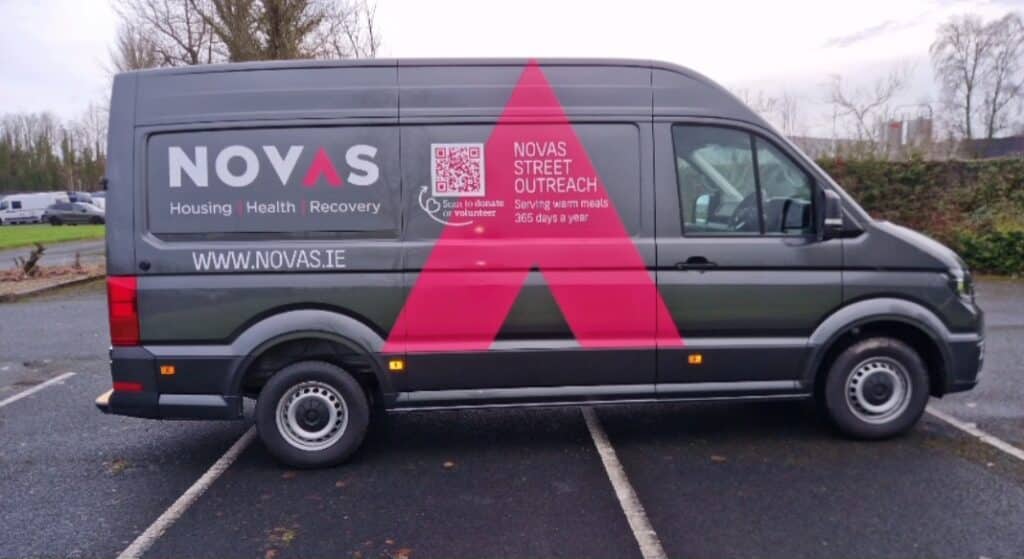
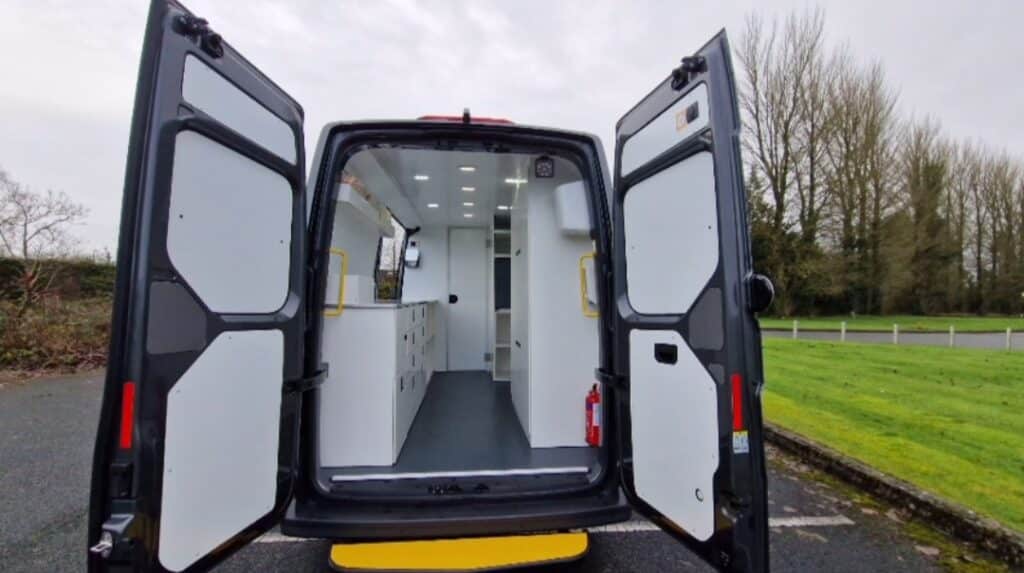
Our Street Outreach mobile unit provides hot meals, sleeping bags, toiletries, basic first aid to people experiencing homelessness, rough sleeping and poverty across the city. With this new vehicle, we will now operate 365 days a year, offering vital and consistent support to those who need it most. 

NOVAS Street Outreach Van side

Last year alone, our outreach service provided more than 32,000 hot meals to people in need. As demand for our services continues to grow, the new van allows us to respond more effectively and comfortably, ensuring that no one is left without support. 

Recent research carried out by NOVAS in collaboration with University of Limerick sociology student Jack Matthew Copley found that over 80% of our clients use the service daily or several times a week. This highlights just how essential the Street Outreach Van is to the people who rely on it. 

NOVAS Street Outreach Van Interior

Run by our dedicated volunteers and supported by NOVAS staff, the service offers more than practical assistance. It provides a consistent point of connection, dignity, and compassion for people who may feel isolated or forgotten. 

Last year’s fundraising campaign was a great success and made this new van possible We would like to sincerely thank the people of Limerick for their continued generosity and support. Thanks to the public, local businesses, and the wider community. 

Together, we are continuing our commitment to supporting Limerick’s homeless community with care, respect, and compassion. 

A Deepening Crisis: October 2025 Homeless Report

Monthly Homeless Report, October 2025

Homelessness in Ireland has continued to rise throughout 2025, reaching record levels and placing mounting pressure on national and local support services. For the fourth consecutive month, more than 16,000 people have depended on emergency accommodation, underscoring the persistence and severity of the crisis. Notably, over 5,000 of those affected are children, highlighting the significant social and developmental risks associated with prolonged housing instability.

The final publication of the Department of Housing’s homelessness figures before Christmas indicate that 16,766 people are currently without a home, an increase of 152 since last month and 1,800 more than in October 2024. Family homelessness has also grown, with 2,484 families now in emergency accommodation, up 41 since last month and 323 higher than this time last year.

It is important to note that these statistics capture only those using state-funded emergency accommodation. Rough sleepers, people in squats, domestic violence refuges, or situations of hidden homelessness, as well as individuals seeking International Protection, are not included in these totals.

We welcome the publication of the new housing strategy this month, particularly given the unprecedented scale of homelessness recorded in 2025. However the levels of homelessness will continue to grow in 2026, unless urgent solutions are delivered.

Key Statistics : October 2025

Total homeless population: 16,766

Adults: 11,492

  • Single adults: 7,278 (74.6%)
  • Young adults (18–24): 1,997 (17.4%)

Families: 2,484

  • Single-parent families: 1,430 (58%)

Children (under 18): 5,274

Adult gender breakdown:

  • Male: 6873 (59.8%)
  • Female: 4619 (40.2%)


Ways to Support this Christmas

There are many ways to get involved this Christmas:

Make a Donation – Every contribution helps us reach more people in need.
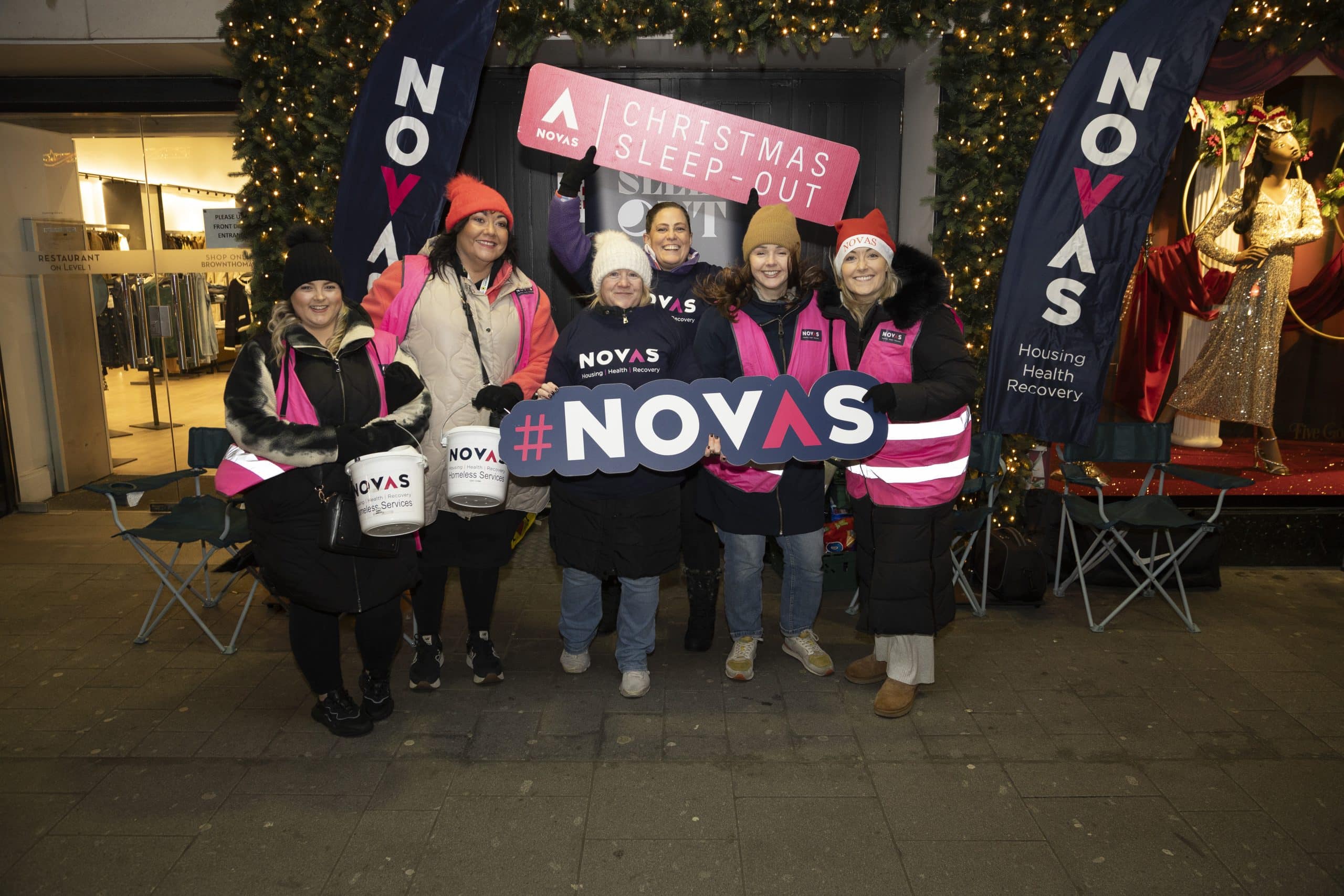
• Sign up or donate to the NOVAS Christmas Sleep Out – Stand in solidarity with people without a home this winter.
Buy NOVAS Christmas Cards – A simple but meaningful way to support our work while sharing festive cheer.
• Host a Fundraising Event – From a coffee morning to a Christmas quiz, your creativity can help those in need.
• Organise a Christmas Jumper Day – Bring your community or workplace together to help support people and families.

Every act of kindness, no matter how small, helps us continue our mission of supporting the most vulnerable people in our society. Together, we can make this Christmas a little brighter for families and individuals facing homelessness.

When you support NOVAS, you’re helping to:

• Provide and enhance emergency accommodation and long-term housing for people experiencing homelessness
• Offer vital outreach services and addiction support programmes
• Deliver meals, essential items, and wellbeing support to those most at risk
• Advocate for social change and housing solutions across Ireland

As more people than ever before are experiencing homelessness across Ireland, your support is more vital than ever. Every day, NOVAS works with families and individuals who are struggling with homelessness. Many are facing the unimaginable – living in temporary accommodation, staying in overcrowded conditions, or sleeping rough.

This Christmas, you can help bring hope and stability to those who need it most. Your generosity helps us reach the most marginalised people in our communities, offering not only safe accommodation but also a range of services supporting those in need. Whether through a one-time donation, taking part in one of our events, or simply spreading the word, every action counts.

Your support brings hope, compassion, and the promise of a better tomorrow. Thank you.

NOVAS 2024 Annual Report

In 2024, NOVAS worked with 6,300 people across Ireland, providing housing, specialist supports, emergency accommodation and advocacy to individuals and families experiencing or at risk of homelessness. This represents a 160% increase over the past decade and highlights both the scale of the challenge and the depth of our response.

Our 2024 Annual Report reflects a year of innovation, resilience and collaboration. It tells the story of people who have overcome immense obstacles, the dedication of our staff and volunteers and the impact of our partnerships with funders, statutory agencies and community organisations.

Some of the findings are deeply concerning — particularly the growing number of people spending longer periods in emergency accommodation and the continued rise in rough sleeping in Limerick. Yet, the report also offers hope. In 2024, NOVAS provided housing for 1,419 people, offering lasting solutions to homelessness and continued to expand services that prevent homelessness and support recovery.

As Chair of NOVAS’ Board notes, “The housing crisis is solvable and our shared goal of ending homelessness by 2030 is achievable.”

We invite you to explore the 2024 Annual Report to learn more about our work, the people we support, and our plans for the future.

📘 Read the full report

Together, we can build a future where everyone has a place to call home.

Homeless statistics continue to increase at an alarming rate

Homelessness in Ireland has continued to rise to unprecedented levels in 2025. For the second time this year, national figures have surpassed 16,000, with more than 5,000 children living in emergency accommodation. The Department of Housing’s latest report records 16,353 people without a home, an increase of 295 since last month and 1,867 more than in August 2024. 

Family homelessness is also worsening. There are now 2,391 families without a home, up 48 from last month and 298 compared with August 2024. Restrictions on the tenant-in-situ scheme are clearly contributing to this rise in family homelessness. The crisis shows no sign of easing, highlighting the urgent need for immediate and decisive government action. 

The data only includes individuals accessing state funded emergency homeless accommodation across Ireland. People who are rough sleeping, living in squats, living in domestic violence refuges or those who are hidden homeless are not included in the figures. People who seek International Protection are also not captured in this data.   

As we approach the release of Budget 2026 on October 7th, NOVAS is again urging the Irish Government to make homelessness a core priority, in a year that has seen record-high levels of homelessness. 

In our 2026 Pre-Budget Submission, NOVAS sets out clear, practical recommendations and are calling on the Government to use Budget 2026 as a turning point, by investing in the homes, services and supports that will give people the stability and dignity they deserve. 

You can read the full Pre Budget Submission here: 2026 NOVAS PRE BUDGET SUBMISSION 

August 2025 Key Statistics 

Total homeless population:  16,353 

Number of Adults: 11,208 

(of which) Single adults: 7,170 (64%)  

Young adults: 1,950 (17.4%) 

Number of families: 2,391 

(of which) single parent families: 1,381 (58% 

Children (under 18): 5,145 

Gender Breakdown (Adults) 

Male: 6,778 (60%) 

Female: 4,430 (40%) 

Newsletter Sign Up

Be the first to know about what’s happening at NOVAS