January 2026: Homelessness Surpasses 17,000 for the First Time in State History

The Department of Housing’s latest figures for January 2026 show that 17,112 people are currently without a home, an increase of 378 from the previous month and 1,826 more people than in January 2025. 

Family homelessness has also risen, with 2,555 families now in emergency accommodation—an increase of 77 from last month and 391 more than this time last year. Over 5,319 children were without a home this Christmas, an increase of 131 from last month and 716 compared with last year. 

The decline observed last month was largely due to temporary seasonal effects; however, the recently published January 2026 homelessness data presents a worrying start to the year, with figures surpassing 17,000 for the first time. This highlights growing pressure on the system and underscores the continuing challenges in addressing homelessness. The increase suggests that sustained action and targeted interventions are required to help reverse the upward trend and support those affected. 

The statistics capture only those using state-funded emergency accommodation. Rough sleepers, people in squats, domestic violence refuges, situations of hidden homelessness, and individuals seeking international protection are not included in these totals. 

NOVAS is committed to working with statutory partners to combat rising homelessness and to deliver housing and support solutions that restore dignity, stability, and independence for people experiencing homelessness. 

Key Statistics: Janurary 2026 

Total Homeless Population: 17,112 

Total number of adults:  11,793 

Families: 2,555 

Single parent families: 1,442 (56.4%) 

Children (under 18): 5,319 

 Adult gender breakdown:  

Male: 7,103 (60.2%) 

Female: 4,690 (39.8% 
Ireland’s Year of Rising Homelessness: December 2025 Figures

Homelessness in Ireland continued to rise throughout 2025, reaching record levels and placing mounting pressure on national and local support services. For the sixth consecutive month, more than 16,000 people have relied on emergency accommodation, highlighting the persistence and severity of the crisis. Notably, over 5,000 of those affected are children, underscoring the significant social and developmental risks associated with prolonged housing instability. 

The Department of Housing’s latest figures for December 2025 show that 16,734 people are currently without a home, a decrease of 262 from the previous month but 1,870 more than in December 2024. Family homelessness has also increased, with 2,092 families now in emergency accommodation, down 47 from last month but 386 higher than this time last year. Over 5,188 children were without a home this Christmas, a decrease of 133 from last month but an increase of 678 compared with last year. 

While we welcome the fact that this month’s figures have declined, we note that this is a common feature of homelessness statistics during the Christmas period, when many people stay with family or friends. We will have to wait for the January figures to see whether this is an indication of a further decline or merely a temporary seasonal effect. 

These numbers are devastating. The ongoing crisis emphasises the urgent need for long-term housing solutions and sustained investment in social supports. The recent CSO completion figures for 2026 revealed more than 36,000 homes last year. This is a very welcome increase from previous years. Significant further increases are required in the next five years to address the crisis and provide stable housing for thousands of households that are currently experiencing homelessness. 

The statistics capture only those using state-funded emergency accommodation. Rough sleepers, people in squats, domestic violence refuges, or situations of hidden homelessness, as well as individuals seeking International Protection, are not included in these totals. 

NOVAS is committed to combating the rising levels of homelessness with our statutory partners, to deliver housing and support solutions that restore dignity, stability and independence for people experiencing homelessness. 

Key Statistics: December 2025 

Total Homeless Population: 16,734 

Total number of adults:  11,546

Single adults: 7,311 (63.3%)

Young adults (18-24): 2,017 (17.5%) 

Families: 2,478 

Single parent families: 1,395 (56.3%) 

Children (under 18): 5,188 

 Adult gender breakdown:  

Male: 6,963 (60.3%) 

Female: 4,583 (39.7%) 


NOVAS Launches New Street Outreach Mobile Unit to Support Limerick

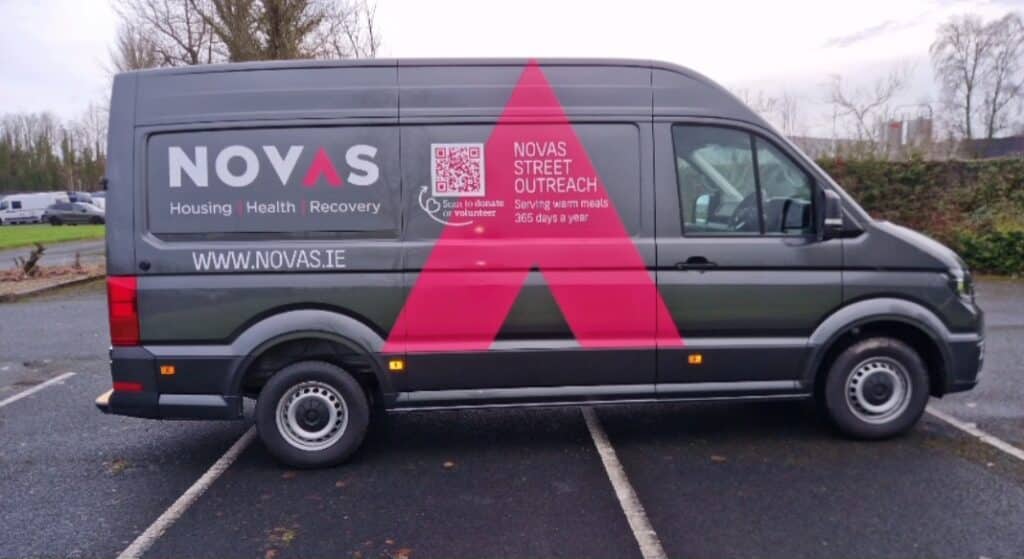
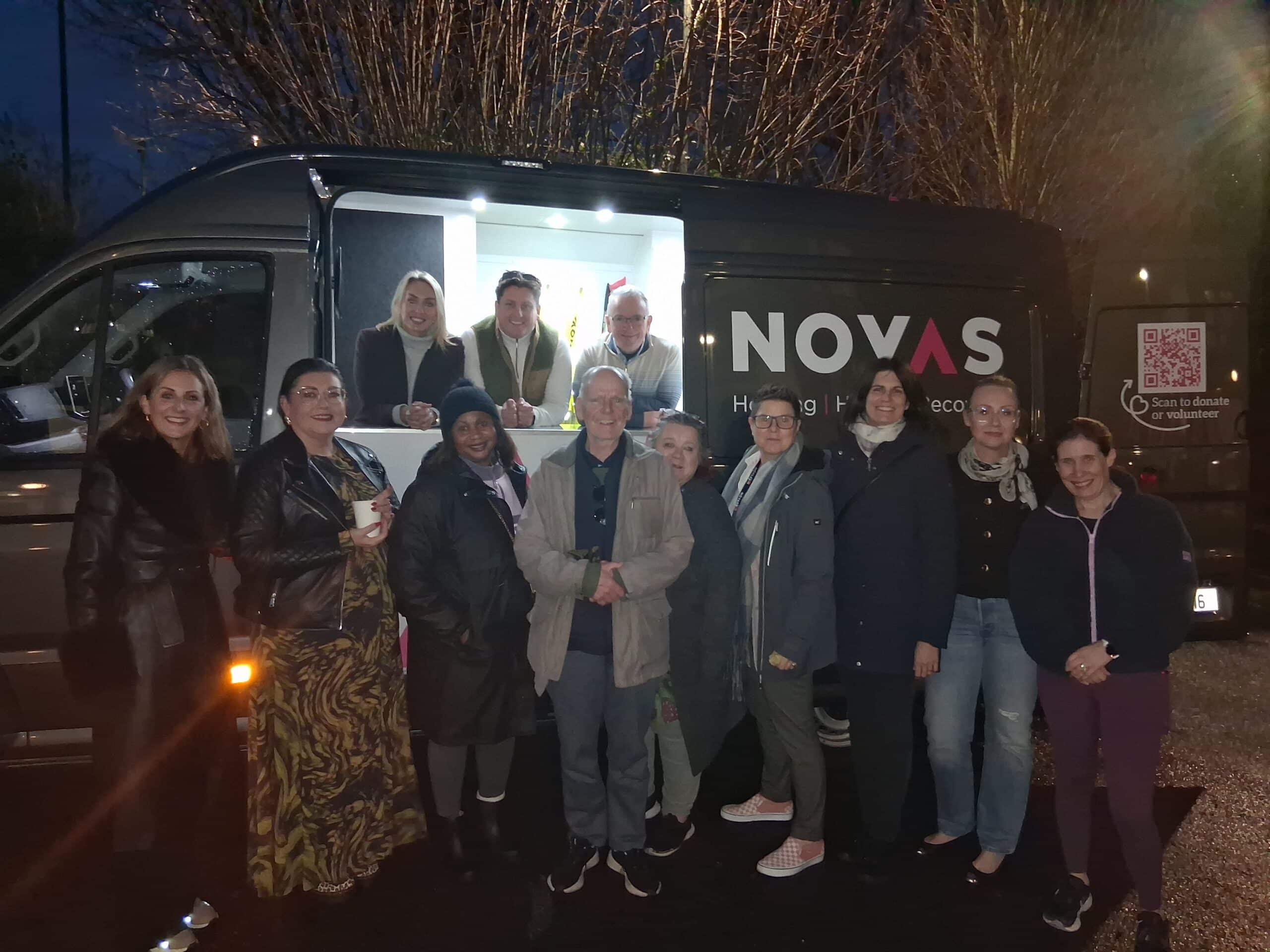
Earlier this month, we were thrilled to launch our new Street Outreach mobile unit, which is now fully in service, thanks to the generous donations of people across Limerick city and county. We were delighted to be joined by clients and volunteers to mark this important milestone. 

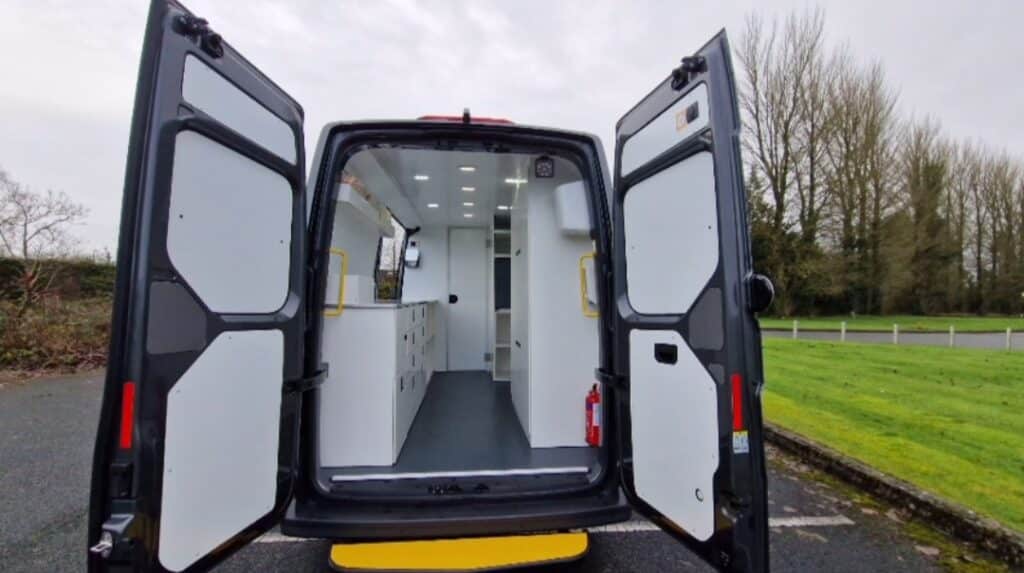
Our Street Outreach mobile unit provides hot meals, sleeping bags, toiletries, basic first aid to people experiencing homelessness, rough sleeping and poverty across the city. With this new vehicle, we will now operate 365 days a year, offering vital and consistent support to those who need it most. 

NOVAS Street Outreach Van side

Last year alone, our outreach service provided more than 32,000 hot meals to people in need. As demand for our services continues to grow, the new van allows us to respond more effectively and comfortably, ensuring that no one is left without support. 

Recent research carried out by NOVAS in collaboration with University of Limerick sociology student Jack Matthew Copley found that over 80% of our clients use the service daily or several times a week. This highlights just how essential the Street Outreach Van is to the people who rely on it. 

NOVAS Street Outreach Van Interior

Run by our dedicated volunteers and supported by NOVAS staff, the service offers more than practical assistance. It provides a consistent point of connection, dignity, and compassion for people who may feel isolated or forgotten. 

Last year’s fundraising campaign was a great success and made this new van possible We would like to sincerely thank the people of Limerick for their continued generosity and support. Thanks to the public, local businesses, and the wider community. 

Together, we are continuing our commitment to supporting Limerick’s homeless community with care, respect, and compassion. 

NOVAS welcomes the new housing strategy but urges immediate action to address the crisis

NOVAS welcomes the Government’s 2025–2030 Housing Plan and its renewed focus on addressing homelessness, while emphasising that sustained action on the ground will be essential to deliver on its ambitions. The commitment to ending homelessness in Ireland by 2030 is significant, but it will require unwavering political will, consistent investment and clear accountability throughout the lifetime of the plan.

We particularly welcome the prioritisation of increased supply of one-bedroom homes for single adults and four-bedroom homes for larger families—two groups that make up a substantial proportion of the people NOVAS supports every day. Addressing their specific needs is critical to reducing the pressure on emergency services and ensuring people can access appropriate, long-term housing.

The plan’s pledge to deliver at least 300,000 new homes by 2030, including 72,000 social homes, is the minimum necessary to meet existing and emerging need. While this commitment is positive, the absence of annual delivery targets is a cause for concern. Without clear year-on-year benchmarks, it will be difficult to measure progress and maintain the momentum required to achieve the plan’s goals.

We also welcome the commitment to develop a cross-departmental, multi-agency Child and Family Homelessness Action Plan, informed by the UN Convention on the Rights of the Child. This long-overdue recognition of the distinct needs of children and families marks an important shift in national policy. The dedicated €100 million fund in 2026 to support families and children exiting long-term homelessness is a crucial and timely intervention.

NOVAS reaffirms its commitment to working alongside Government, local authorities, and partner organisations to deliver housing and support solutions that restore dignity, stability, and independence to people experiencing homelessness.

Homelessness in Ireland Continues to Reach New Highs

Homelessness in Ireland continues to reach unprecedented levels in 2025, with more than 16,000 people in emergency accommodation for three consecutive months. Among them are over 5,000 children, a stark reflection of the worsening crisis in housing availability and affordability.

According to the Department of Housing’s latest report, 16,614 people are now without a home, an increase of 261 since last month and 1,854 more than in September 2024. The number of families experiencing homelessness has also risen, reaching 2,443, up 46 from last month and 310 higher than this time last year.

The ongoing limitations of the tenant-in-situ scheme continue to drive these increases, leaving many families vulnerable. With no sign of relief, immediate and decisive government intervention is urgently needed.

The data only includes individuals accessing state funded emergency homeless accommodation across Ireland. People who are rough sleeping, living in squats, living in domestic violence refuges or those who are hidden homeless are not included in the figures. People who seek International Protection are also not captured in this data. 

As we await the release of the new housing strategy, it is vital that it provides the clarity, direction, and commitment required to work collectively toward ending this crisis.

September 2025 Key Statistics:

Total homeless population:  16,614 

Number of Adults: 11,376 

(of which) Single adults:  7,238 (64%) 

Young adults: 1,974 (17.3%) 

Number of families: 2,443 

(of which) single parent families: 1,400 (57%) 

Children (under 18): 5,238 

Gender Breakdown (Adults) 

Male: 6,815 (60%) 

Female: 4,561 (40%) 

NOVAS welcomes increased social housing investment but warns of a worrying silence on homelessness

NOVAS today welcomes several measures in Budget 2026 that have potential to ease housing pressures but warns that much more is needed if the Government is serious about achieving its stated goal of ending homelessness in Ireland by 2030.

The commitment in Budget 2026 to accelerate the delivery of social housing, supported by a major increase in capital investment, is strongly welcomed by NOVAS. The budget, announced by Ministers Paschal Donohoe and Jack Chambers, allocates €19.1 billion for housing and infrastructure next year; an increase of €2 billion on 2025. Of this, €2.9 billion is earmarked for social housing development and acquisition. NOVAS describes these as positive and necessary steps to address Ireland’s housing deficit.

However, the organisation expressed deep disappointment at the absence of any measures specifically focused on homelessness — either through prevention or protection for the thousands of people currently without a home or at imminent risk.

“The word homelessness was scarcely mentioned throughout the budget speeches,” said Una Burns, Head of Advocacy and Communications at NOVAS. “This is deeply disappointing given the scale of the crisis and its impact on thousands of households across Ireland.”

Ms Burns added that NOVAS had submitted a range of recommendations in its Pre-Budget submission, focused on both preventing and responding to homelessness — including adequate, high-quality emergency accommodation, measures to prevent rough sleeping and universal and targeted prevention supports. “There was no mention of any of this in what we heard today,” she continued. “While we warmly welcome the significant capital investment in social housing, we urge Government to ensure that people who experience homelessness have real access to these new homes, so that they are not left behind again.”

NOVAS also noted with concern the lack of any increase in HAP payments, leaving many low-income renters, among the most vulnerable households in the private sector, exposed to continued housing insecurity. “Without addressing affordability in the rental market and preventing entries into homelessness, Ireland will remain trapped in a cycle of crisis,” Ms Burns said.

NOVAS reiterated its commitment to working with Government and local authorities to deliver housing and support solutions that restore dignity, stability and independence for people experiencing homelessness.

Urgent Appeal: NOVAS needs a new Street Outreach Van

NOVAS is urgently appealing for public support to fund a new Street Outreach van to continue serving some of the most vulnerable people in Limerick City. 

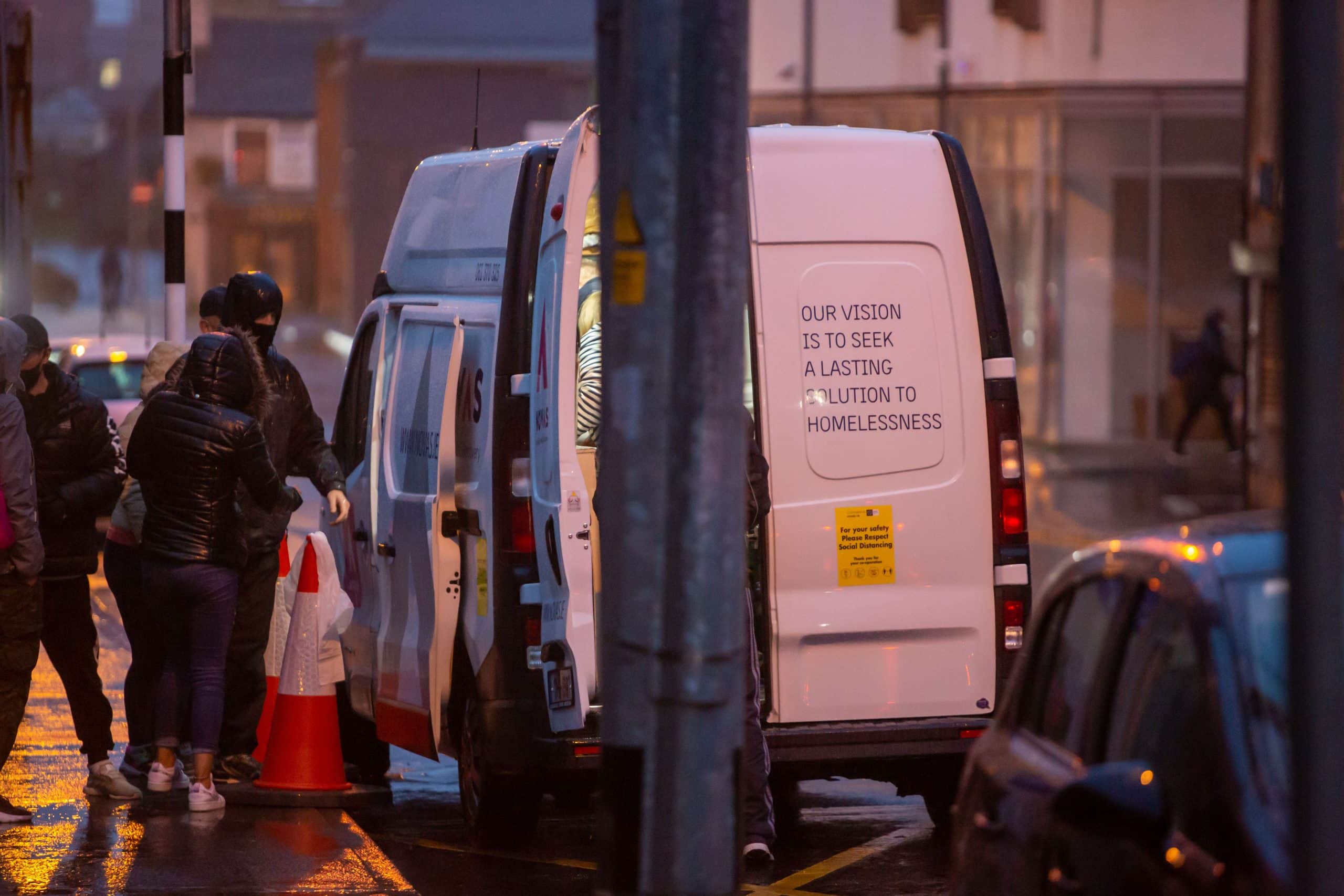
Since 2010, the NOVAS Street Outreach service has operated every single night at 7.30pm on Upper William Street, providing hot meals, toiletries basic first aid, sleeping bags, and emotional support to people experiencing homelessness, rough sleeping, and extreme poverty. 

The service, which receives no government funding, is completely volunteer-led and relies entirely on fundraising and food donations. This year alone, NOVAS has already served over 18,250 meals through the outreach van. 

However, the van — purchased second-hand in 2020 — is now eight years old and has become increasingly unreliable. With wear and tear from daily use, it is struggling to meet growing demands. In recent years, the service has seen a significant rise in the number of people seeking help, with up to 50 people a night relying on it for basic needs and human connection. 

“The van is essential for transporting food and supplies, but it is becoming unreliable. At times it won’t even start.” says Street Outreach Volunteer Abdulaziz.  

“The van is also quite cramped, especially when we are carrying a full load of food and equipment. A larger van would allow us to transport more supplies, serve more people, and work more efficiently, particularly during bad weather or on very busy nights.” 

A new, custom-fitted van would allow NOVAS to: 

  • Transport larger quantities of food
  • Improve safety and comfort for volunteers
  • Deliver services more efficiently and consistently
  • Better meet the complex needs of those it supports

How You Can Help 

We are calling on the community to help keep this vital service on the streets. 

“Your donation directly fuels our ability to be there — every night — for those with nowhere else to turn. Please help us reach our target and keep this essential service running.” 

Donate here

Homeless Figures Increased Again In June

Homelessness in Ireland has reached another record high of 15,915 according to the latest figures published by the Department of Housing. This marks an increase of 168 people compared to the previous month and a rise of 1,612 compared to the numbers reported in June 2024. The numbers continue to rise unbated with new housing supply having no impact on bringing down homeless figures. 

The data includes individuals accessing state funded emergency homeless accommodation across Ireland. People who are rough sleeping, living in squats, living in domestic violence refuges or those who are hidden homeless are not included in the figures. People who seek International Protection are also not captured in this data. 

The data is compiled monthly and published during the last full working week of the following month. It offers regional and country- level insights. 

As we approach budget 2026, we urge government to ensure that the supply of housing, provision of homeless accommodation and broad-ranging prevention measures are sufficiently resourced, to address the crisis at the scale that is required. 

June 2025 Key Statistics: 

  • Total homeless population: 15,915 
  • Adults: 10,957 
  • (of which) Single adults: 7,060 (64%) 
  • Young adults (ages 18 – 24):  1,893 (17.3%) 
  • Families: 2,320  
  • (of which) single parent families: 1,535 (58%) 
  • Children (under 18): 4,958 


Gender Breakdown (Adults): 

  • Male: 6,607 (60%) 
  • Female: 4,350 (40%) 

May homeless figures show further increases

Homelessness in Ireland has again reached a record high of 15,747 according to the latest figures published by the Department of Housing. This marks an increase of 167 people compared to the previous month and a rise of 1,588 compared to the numbers reported in May 2024. The rising numbers highlight the intensifying demand for emergency accommodation amidst a worsening housing crisis in Ireland.  

Who does this include? 

These figures include individuals accessing state funded emergency homeless accommodation across Ireland. People who are rough sleeping, living in squats, living in domestic violence refuges or those who are hidden homeless are not included in the figures. People who seek International Protection are also not captured in this data. 

The data is compiled monthly and published during the last full working week of the following month. It offers regional and country- level insights. 

May 2025 Key Statistics: 

  • Total homeless population: 15,747 
  • Adults: 10,903 
  • (of which) Single adults: 7,064 (65%) 
  • Young adults (ages 18 – 24):  1,851 (17%) 
  • Families: 2,273 
  • (of which) single parent families: 1,307 (58%) 
  • Children (under 18): 4,844 

Increasing housing supply, prioritising homes for families in emergency accommodation and increased focus on prevention measures are key to solving the crisis.

Homeless figures reach new high, as February data is published

Homeless figures reached another new high of 15,378 in February 2025, as data was published today by the Department of Housing, Local Government and Heritage. Excluding the anticipated seasonal drop in December, the number of people who are homeless has grown every month over the last year. In total, there has been an increase of 11.1% from February 2024 and there are now 2,185 families including 4,653 children living in emergency accommodation.

The Department of Housing’s new Statement of Strategy must reflect these rising numbers and commit to bold and innovative action to solve the crisis. We must reaffirm our national commitment to ending homelessness by 2030., which is bound the acceleration of housing supply.

The rise in Limerick is particularly stark. Across the twelve-month period from February 2024 to February 2025, the number of people experiencing homelessness there increased by 28%. The proportional increase in the month from January to February was 3%.

Newsletter Sign Up

Be the first to know about what’s happening at NOVAS